


Living with allergies in South Florida can feel like a year-round battle. For many people, symptoms never fully disappear. They shift with the seasons, flare with weather changes, or worsen indoors where allergens linger. Sneezing, a runny nose, sinus pressure, watery eyes, throat irritation, and constant congestion are more than inconveniences. Over time, they can disrupt sleep, affect concentration, and lower overall quality of life.
While medications such as antihistamines and nasal sprays can help manage allergy symptoms, they often do not address the underlying cause. That is where allergy immunotherapy comes in. Under the guidance of Florida ENT specialist Dr. Lee Mandel, patients have access to advanced diagnostic testing and personalized immunotherapy options designed to treat allergies at their source rather than simply covering up symptoms.
Also Read: Are Your Allergies Causing Sinus Infections? Here’s How to Break the Cycle
Why Do Allergy Symptoms Persist
Allergies occur when the immune system reacts to substances that are normally harmless. These substances, known as allergens, can include pollen, mold, dust, and pet dander. When a sensitive individual encounters an allergen, the body releases chemicals such as histamine. This histamine release leads to inflammation and a cascade of symptoms.
Common allergic reaction patterns affect the nose, sinuses, ears, throat, and skin. Patients may experience sneezing, nasal congestion, itchy or watery eyes, sinus pressure, postnasal drip, sore throat, headaches, or even hives. Over time, chronic inflammation in the sinuses can increase the risk of sinus infections and contribute to ongoing sinus discomfort.
For many patients, allergies also interfere with sleep. Nasal blockage and sinus inflammation can worsen snoring and may aggravate sleep apnea. Poor sleep then affects energy levels, focus, and long-term health.
Traditional Allergy Medications Are Not Enough
Many patients rely on medications for years without realizing there are other treatment options. Antihistamines, nasal sprays, and decongestants are commonly recommended as first-line therapy. While these medications can reduce symptoms, they do not change how the immune system responds to allergens.
Some patients also find that certain medications lose effectiveness over time or cause unwanted side effects such as drowsiness, dryness, or elevated blood pressure. Others do not get enough relief, even when using multiple medications together.
This is where allergy immunotherapy becomes an important consideration. Instead of masking symptoms, immunotherapy works by retraining the immune system to respond differently to allergens.
What Is Allergy Immunotherapy?

Allergy immunotherapy is a long-term treatment approach designed to reduce sensitivity to allergens. Rather than avoiding allergens entirely or relying solely on medications, immunotherapy introduces controlled amounts of specific allergens to the body over time.
The goal is to help the immune system build tolerance. As tolerance increases, allergic reactions become less intense and symptoms improve. In many cases, patients experience fewer flare-ups, reduced reliance on medications, and better overall sinus health.
Immunotherapy has been studied extensively and includes FDA-approved treatment options that are supported by decades of research.
Also Read: Chronic Sinusitis and Allergies: How to Stop the Cycle of Inflammation and Infection
Types of Allergy Immunotherapy Offered by Dr. Lee Mandel
At Florida Sinus & Snoring Specialists, Dr. Mandel offers two main forms of immunotherapy. Each option is selected based on the patient’s allergies, lifestyle, medical history, and preferences.
Subcutaneous Immunotherapy (SCIT)
Subcutaneous immunotherapy, commonly referred to as allergy shots, is one of the most established forms of immunotherapy. It involves a series of injections that deliver small, gradually increasing doses of allergens under the skin.
These injections are typically administered in the office under medical supervision. Over time, the immune system produces protective antibodies and becomes less reactive to the allergens being introduced.
This form of treatment has been used for decades and is effective for a wide range of allergies, including pollen, mold, dust mites, and certain animal allergens.
Sublingual Immunotherapy (SLIT)
Sublingual immunotherapy is an alternative option for select patients. It involves placing tablets or drops under the tongue regularly. This method allows allergens to be absorbed through the tissues in the mouth.
Many patients appreciate the convenience of sublingual immunotherapy, especially those who prefer to avoid injections. It can be taken at home after an initial evaluation and instruction in the office.
Both SCIT and SLIT are designed to modify immune responses gradually and safely.
Types of Allergies Immunotherapy Can Treat
Allergy immunotherapy is most effective for environmental allergies. These include common triggers that are difficult to avoid completely, especially in South Florida.
Seasonal and Environmental Allergens
Pollen from trees, grasses, and weeds is a frequent cause of symptoms. Mold spores, which thrive in humid environments, are another major concern. Dust mites are present year-round and often worsen symptoms indoors.
Occasional reactions to pet dander can also be addressed through immunotherapy, depending on sensitivity levels and exposure patterns.
Allergic Rhinitis and Chronic Sinus Inflammation
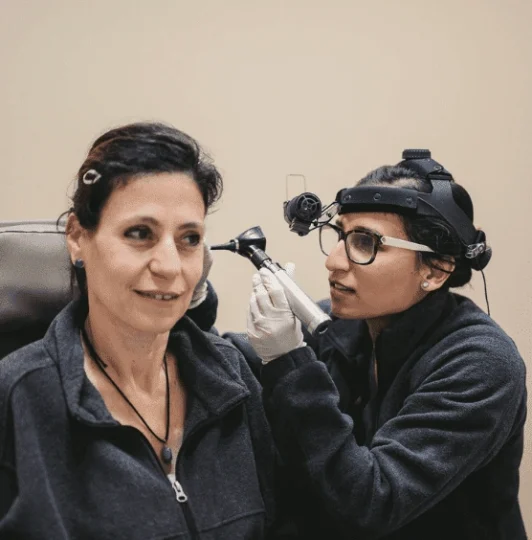
Immunotherapy is particularly beneficial for patients with allergic rhinitis. This condition causes chronic nasal inflammation and contributes to congestion, sneezing, and sinus pressure.
By reducing immune sensitivity, immunotherapy can help calm inflammation in the sinuses and nose. Many patients notice fewer sinus infections, less facial pressure, and improved breathing over time.
How Dr. Mandel Evaluates Patients for Immunotherapy
A successful immunotherapy program begins with accurate diagnosis. Dr. Mandel uses advanced testing methods to identify specific allergens responsible for a patient’s symptoms.
Comprehensive Allergy Testing
Allergy testing may include skin testing or blood testing, depending on the patient’s needs. These tests help determine which substances trigger allergic responses.
Testing is performed in the office and interpreted carefully in the context of symptoms, medical history, and environmental exposure. This precise approach allows Dr. Mandel to determine which allergens should be included in a treatment plan.
Personalized Treatment Planning
No two patients have the same allergy profile. Once testing is complete, Dr. Mandel designs a customized treatment plan adapted to each individual. The plan considers symptom severity, lifestyle, existing health conditions such as asthma, and patient preferences. This personalized approach helps ensure both safety and effectiveness.
What to Expect During an Allergy Immunotherapy Procedure
Patients ask what the process feels like and how long it takes to see results.
Treatment Timeline
Immunotherapy is a gradual process. Early phases focus on building tolerance with low doses. Maintenance phases help sustain immune changes over time.
Some patients begin to notice improvement within months, while others see more gradual changes. Long-term commitment leads to the most meaningful results.
Safety and Monitoring
Allergy immunotherapy is administered under medical supervision. Dr. Mandel and his office staff monitor patients closely, especially during the early stages of treatment.
Most reactions are mild and localized, such as minor redness or itching at the injection site. Serious reactions are rare, and protocols are in place to address them promptly.
Long-Term Benefits of Immunotherapy
One of the greatest advantages of immunotherapy is its potential to provide lasting relief.
Patients experience:
- Reduced frequency and severity of allergic reactions
- Less dependence on medications
- Improved sinus health
- Better sleep quality
- Fewer disruptions to daily life
By addressing the immune system rather than just symptoms, immunotherapy can change how the body responds to allergens for years.
How Immunotherapy Supports Sinus Health and Sleep
Chronic sinus inflammation caused by allergies can affect sleep quality. Nasal blockage and postnasal drip may worsen snoring and disrupt breathing at night.
By reducing inflammation in the sinuses, immunotherapy can improve airflow and comfort. Many patients report better sleep and fewer nighttime awakenings as allergy control improves.
For individuals with sleep apnea, managing allergies may also support overall treatment strategies by reducing upper airway inflammation.
Who Is a Good Candidate for Allergy Immunotherapy?
Immunotherapy may be a good option for patients who:
- Have persistent allergies despite medication use
- Experience side effects from medications
- Want a long-term solution rather than temporary relief
- Have confirmed environmental allergies through testing
Dr. Mandel evaluates each patient carefully to determine whether immunotherapy is appropriate and which type is best suited to their needs.
Key Considerations for Patients Seeking Allergy Immunotherapy
Why Allergy Symptoms Disrupt Daily Life
Many patients first seek care because daily allergy symptoms such as sneezing, a persistent runny nose, itchy skin, watery eyes, throat irritation, or sinus discomfort begin interfering with sleep, work, and family life. These symptoms are often the result of repeated exposure to environmental substances like pollen, dust, and mold that trigger allergic reactions within a sensitive immune system. Over time, untreated allergies can contribute to ongoing sinus inflammation, nasal blockage, and ear pressure that may even affect hearing.
A Comprehensive ENT Evaluation Beyond the Nose
As an experienced ENT specialist and ENT in Fort Lauderdale, FL, Dr. Lee Mandel evaluates the full ear, nose, and throat system, recognizing how allergies can influence sinuses, hearing, breathing, and overall head and neck health. Some patients present with concerns such as ear fullness, hearing loss, or balance changes. Others may already rely on hearing aids and want to understand whether chronic nasal inflammation is contributing to their symptoms.
Advanced Allergy Testing and Personalized Diagnosis
Through advanced allergy testing and diagnostic testing protocols, Dr. Mandel is able to diagnose the specific allergens responsible and determine which treatment options are appropriate. Testing may include skin-based evaluation, blood analysis, or other medical assessments performed in the office. These results guide a personalized treatment plan that considers asthma history, sensitivity levels, prior reactions, and response to medications such as antihistamines or nasal sprays.
How Immunotherapy Creates Long-Term Relief
For many patients, immunotherapy represents a shift away from temporary relief toward long-term improvement. Both subcutaneous immunotherapy, involving injections, and sublingual immunotherapy are FDA-approved approaches that help the body produce protective antibodies and reduce sensitivity over time. This process allows the immune system to respond more calmly when exposed to allergens, decreasing the intensity of reactions such as sneezing, hives, nasal swelling, and sinus pressure.
Ongoing Monitoring and Patient-Centered Care
Patients are closely monitored by Dr. Mandel, his professional office staff, and a great staff team known for their attentive bedside manner. Concerns about pain, reactions, or scheduling are addressed clearly, and many patients say they would highly recommend Dr. Mandel for his thoughtful approach and excellent doctor reputation. Reviews often describe him as an amazing doctor, an awesome physician, and a wonderful MD who takes the time to listen.
Supporting Better Sleep and Whole-Body Health
For individuals with sleep apnea, chronic nasal inflammation may worsen nighttime breathing. By treating allergies effectively, immunotherapy can support better sleep quality and overall health. Patients with complex ENT problems benefit from coordinated care that considers how allergies affect the nose, sinuses, ears, throat, and sleep patterns together.
A Proactive Path Toward Long-Term Wellness
Whether allergies began in childhood or developed later in life, immunotherapy offers a proactive way to treat the underlying cause rather than relying solely on certain medications year after year. With proper evaluation, patients can begin a structured program designed to improve comfort, reduce symptoms, and support long-term wellness across all seasons.
Why Patients in South Florida Choose Dr. Lee Mandel
Patients consistently value Dr. Mandel’s thorough approach, clear communication, and thoughtful bedside manner. His experience as an ENT specialist allows him to understand how allergies affect not only the nose but also the sinuses, ears, throat, and overall health.
With advanced technology, a dedicated office team, and a patient-centered philosophy, Dr. Mandel focuses on long-term solutions rather than quick fixes. Many patients describe him as an excellent doctor and an amazing doctor who takes the time to listen and educate.
Also Read: How to Get Rid of Sinus Congestion: Effective Remedies and Tips
Proven Allergy Immunotherapy With a Board Certified Specialist
Allergies don’t have to control your life. If you are tired of relying on medications or struggling with persistent symptoms, allergy immunotherapy may offer a better path forward.
Through comprehensive allergy testing, personalized treatment planning, and ongoing care, Dr. Lee Mandel helps patients reduce allergen sensitivity, improve sinus health, and enjoy better sleep and daily comfort.
Consulting with an experienced Florida ENT specialist is the first step toward understanding your options and finding effective, long-term relief from allergies. Call today at 954-983-1211 to schedule your consultation.
Frequently Asked Questions
How long does allergy immunotherapy take to work?
Most patients begin noticing improvement within 3-6 months, with full benefits typically developing over 1-2 years. Some see changes sooner. The timeline varies based on individual immune response and allergen exposure. Consistent adherence to the treatment schedule is crucial for optimal results.
What is the difference between allergy shots (SCIT) and sublingual tablets (SLIT)?
Allergy shots involve weekly injections at the office over 6-12 months during the build-up phase, then monthly maintenance visits for 3-5 years. Sublingual tablets dissolve under the tongue daily at home after initial office training. Shots treat multiple allergens simultaneously; SLIT tablets typically treat one allergen at a time. Both are FDA-approved and effective, but shots generally offer faster results.
How long do the benefits of immunotherapy last after treatment ends?
Many patients experience long-lasting relief for years after completing 3-5 years of treatment. Some maintain benefits indefinitely, while others may experience mild symptom return with heavy allergen exposure. Most don’t require additional treatment. Complete relapse is rare, though occasional booster doses may be needed.
Am I a good candidate for immunotherapy?
You may be a candidate if you have persistent allergies despite medication, experience medication side effects, want a long-term solution, have confirmed environmental allergies through testing, or deal with related conditions like asthma or chronic sinusitis. Immunotherapy works best for moderate-to-severe allergies. Dr. Mandel evaluates each patient individually to determine suitability and the best treatment type.