
Understanding the difference between snoring vs sleep apnea is essential for identifying serious sleep issues early. Snoring might seem like a harmless nighttime nuisance, but it can sometimes point to a deeper health issue. According to Sleep Education from the American Academy of Sleep Medicine, about half of people snore at some point in their lives, and an estimated 40% of adult men and 24% of adult women are habitual snorers. Research also shows that habitual snoring is strongly associated with obstructive sleep apnea (OSA). This serious condition causes repeated breathing pauses during sleep, although not everyone who snores has OSA.
Yet, not every snore is a sign of sleep apnea. Factors like nasal congestion, chronic sinus problems, or even sleep position can lead to noisy nights without indicating a major disorder. Understanding these distinctions can help you know when it’s time to consult a sinus and snoring specialist. In this post, we’ll explore what separates simple snoring from sleep apnea, key warning signs to look for, and the treatment options that can help you reclaim restful, quiet sleep.
If snoring is affecting your nights or leaving you tired during the day, it’s time to get personalized guidance. At Florida Sinus & Snoring Specialists, Dr. Lee Mandel and his dedicated team specialize in identifying the root causes of snoring and obstructive sleep apnea, from nasal obstruction to structural airway issues. Early evaluation can help reduce snoring, improve your sleep quality, and make treatments like painless in-office procedures or oral appliances more effective.
Don’t wait another restless night. Schedule your consultation today at 954-983-1211 and take the first step toward safer, more restful sleep.
Also Read: Balloon Sinuplasty and Better Sleep: How Sinus Relief Can Stop Snoring at the Source
What Causes Snoring? → What Causes Snoring vs Sleep Apnea
Snoring happens when air passes through a partially blocked upper airway during sleep. As air moves past relaxed tissues in the nose, soft palate, and throat, those structures vibrate and produce the familiar snoring sound. The louder the turbulence, the louder the snoring.
Many causes of snoring have nothing to do with sleep apnea. Common contributors include:
- Chronic nasal congestion and sinus inflammation – Year-round allergies are particularly common in South Florida, and ongoing nasal blockage forces mouth breathing that worsens snoring.
- Deviated septum or enlarged turbinates – Structural issues in the nose can restrict airflow even when you’re healthy.
- Long soft palate or uvula – Extra tissue at the back of the throat relaxes during sleep and vibrates easily.
- Sleeping position – Back sleepers are more likely to snore because gravity pulls the tongue and soft tissues backward.
- Alcohol use in the evening – Alcohol causes muscles in the throat to relax more than usual, increasing tissue vibration.
- Weight gain and obesity – Excess tissue around the neck can crowd the airway, but even thin people snore if they have certain anatomical features.
The important point is that many of these causes are structural or behavioral and highly treatable.
What Is Obstructive Sleep Apnea?
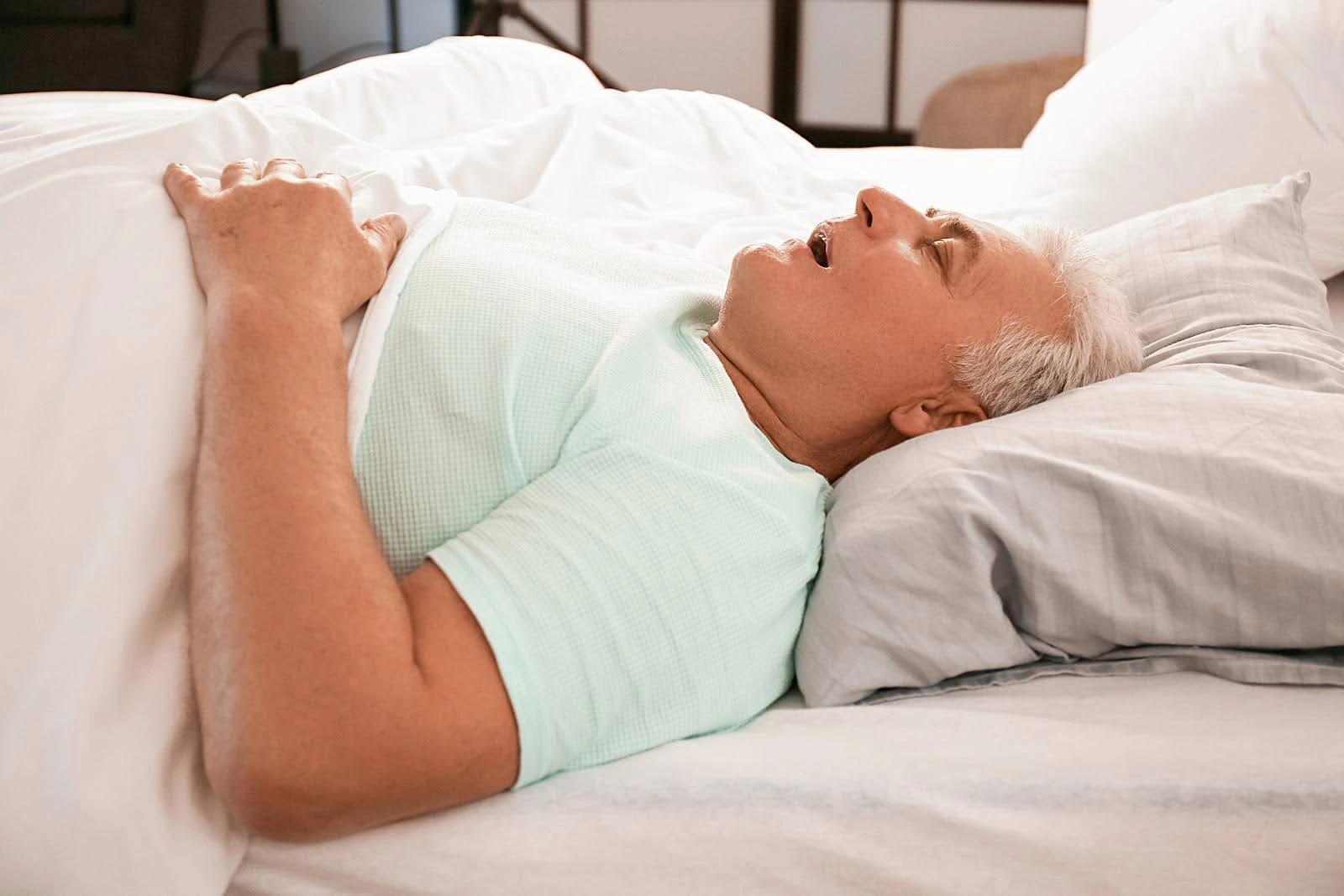
Obstructive sleep apnea is a condition where the airway repeatedly narrows or collapses during sleep, causing pauses or significant reductions in breathing. Unlike simple snoring, these episodes actually interrupt airflow, sometimes for 10 seconds or longer, and can occur dozens of times per hour.
During an apnea event, blood oxygen levels drop. The brain detects the problem and briefly wakes the body to reopen the airway, often with a gasp or choking sound. This cycle repeats throughout the night, even though many people have no memory of waking. The result is fragmented, unrefreshing sleep and significant stress on the heart and lungs.
Simple snoring produces noise without stopping breathing. Obstructive sleep apnea produces snoring (usually loud snoring) along with interrupted breathing, gasping, or choking. The distinction matters because sleep apnea carries health consequences that simple snoring does not.
Common symptoms of obstructive sleep apnea include:
- Loud, disruptive snoring almost every night
- Witnessed stops in breathing or gasping awakenings
- Unrefreshing sleep despite adequate hours in bed
- Morning headaches and dry mouth
- Excessive daytime sleepiness and difficulty concentrating
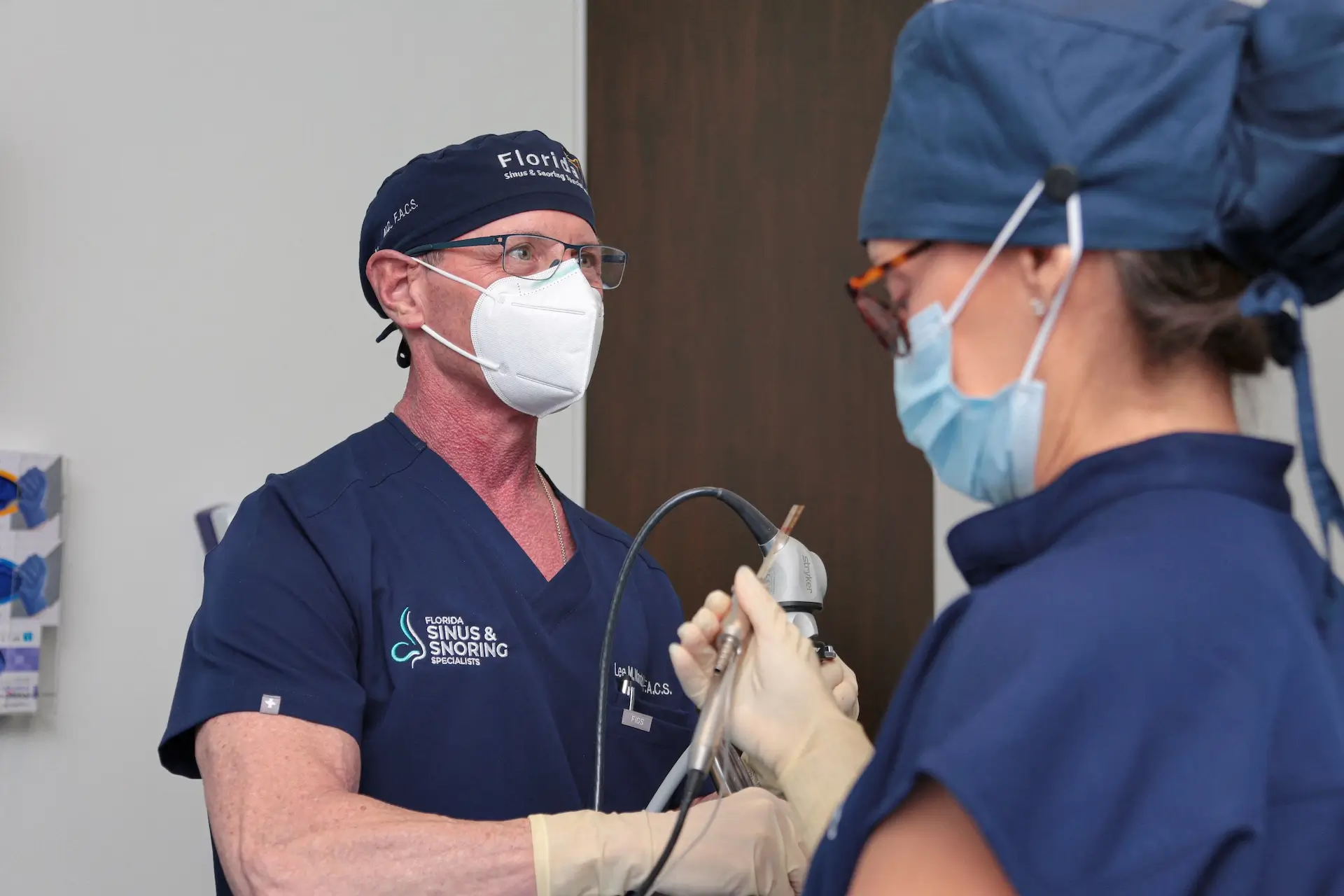
At Florida Sinus & Snoring Specialists, Dr. Lee Mandel and his team take a comprehensive, personalized approach to diagnosing and treating sleep disorders.
Key Differences: Snoring vs. Obstructive Sleep Apnea
Snoring and obstructive sleep apnea can look similar from the outside, but certain signs point toward a more serious problem. Here is a quick comparison:
| Characteristic | Simple Snoring | Obstructive Sleep Apnea |
| Breathing Pattern | Snoring without breathing pauses | Snoring with gasping, choking, or silent gaps in breathing |
| Daytime Fatigue | Mild fatigue in the morning | Severe daytime sleepiness, falling asleep unintentionally (at work, watching TV) |
| Morning Symptoms | No morning headache | Frequent morning headaches and dry mouth |
| Blood Pressure | Elevated blood pressure risk (even without OSA) | Significantly elevated hypertension risk (affects ~50% of OSA patients) |
Not everyone who snores has apnea, and not everyone with apnea snores loudly. Some women and people with central sleep apnea (where the brain fails to send signals to breathe) may have quieter presentations. Research shows that snoring intensity has good sensitivity for detecting apnea but very poor specificity, meaning many people who snore loudly do not have the condition.
Sleep apnea occurs more often when other risk factors are present:
- Obesity or large neck circumference
- Crowded throat anatomy (large tongue, tonsils)
- Family history of sleep disorders
- Male sex and increasing age
The pattern and associated symptoms matter more than the snoring sound alone. Pay attention to how you feel during the day, not just how loud you are at night.
When Should Snoring Raise Concern?
Occasional soft snoring without other symptoms is usually not dangerous. However, certain patterns should prompt medical evaluation.
Red-flag symptoms include:
- Witnessed pauses in breathing or episodes of gasping and choking at night
- Loud, disruptive snoring almost every night
- Excessive daytime sleepiness, trouble staying awake while reading, driving, or in meetings
- Difficulty concentrating, memory lapses, or decreased work performance
- Irritability, mood changes, or depression that may be linked to poor sleep
- Waking frequently to urinate and feeling unrefreshed in the morning
Bed partners often notice the problem first, especially breathing pauses and gasping episodes. If your partner has expressed concern, take it seriously.
Important Considerations for Certain Conditions
Conditions like high blood pressure, atrial fibrillation, heart disease, and type 2 diabetes can be worsened by untreated sleep apnea. If you have any of these conditions, pay extra attention to snoring and sleep quality. Untreated sleep apnea significantly increases the risk of complications in these patients.
When to Seek Help
Do not dismiss snoring if it is affecting your health, relationships, or daily functioning. The distinction between simple snoring and obstructive sleep apnea matters tremendously for your long-term health and safety. Florida Sinus & Snoring Specialists offers thorough evaluations to determine whether your snoring is simple or something more serious, and can help you find the right treatment solution.
How a Florida ENT Specialist Evaluates Snoring
Evaluation begins in the office and may include an at-home sleep study if apnea is suspected.
The Initial Consultation
The first visit typically includes:
- Detailed history – Discussion of snoring patterns, sleep habits, medical issues, and medications
- Symptom assessment – Questions about bed partner observations, daytime sleepiness, and morning symptoms like dry mouth or headaches
- Underlying conditions – Review of any existing health issues that might contribute to airway obstruction
Physical Examination
The physical examination focuses on multiple areas of the upper airway:
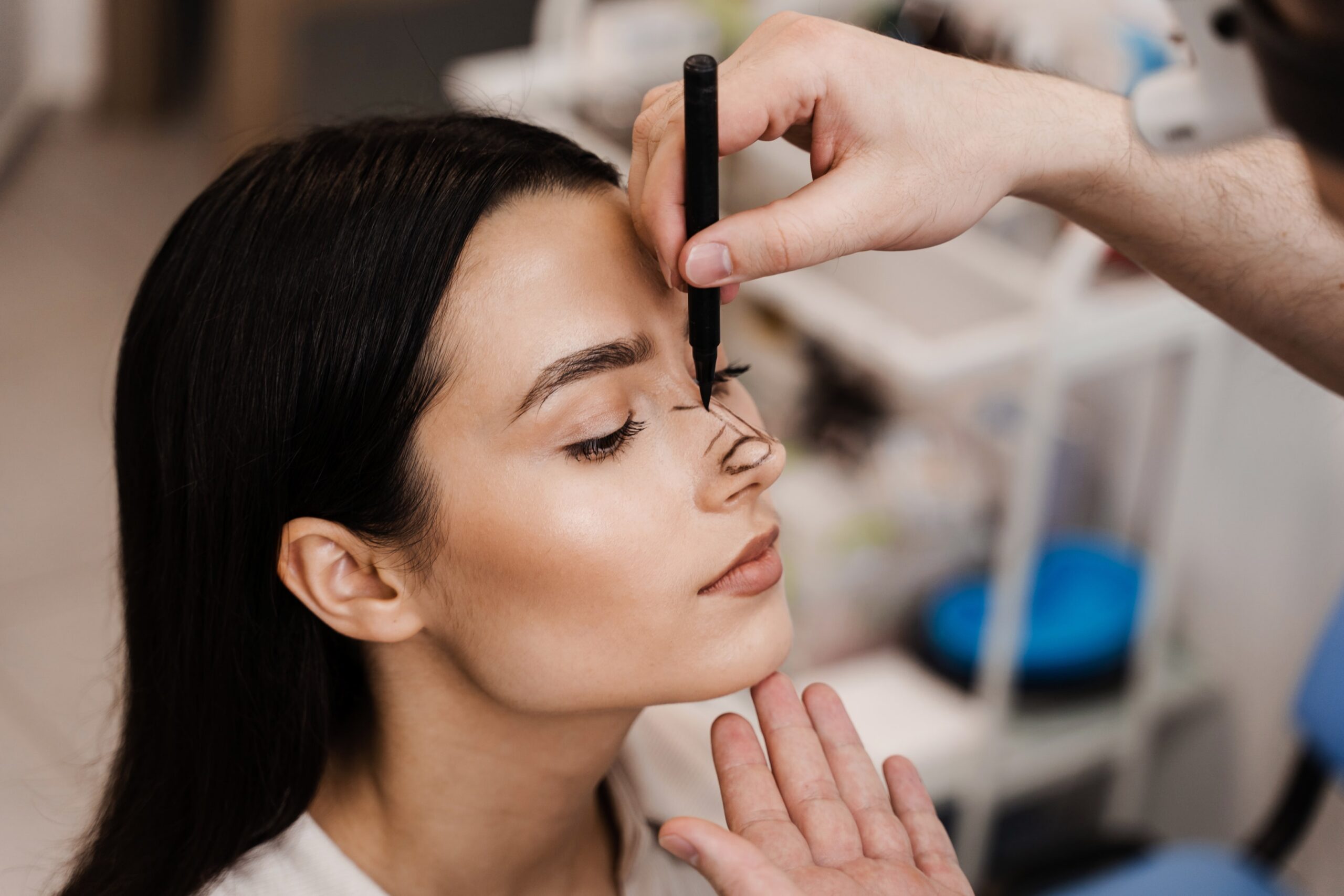
- Nasal anatomy – Careful inspection of the nose, septum, turbinates, and sinus openings
- Throat structures – Examining the soft palate, uvula, tonsils, and tongue size
- Airway assessment – Assessing jaw and neck anatomy that can narrow the airway
- Tissue evaluation – Looking for any structural abnormalities that may contribute to obstruction
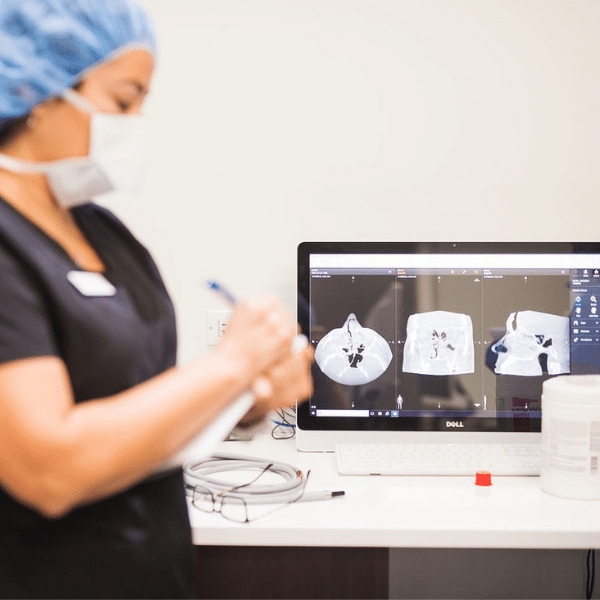
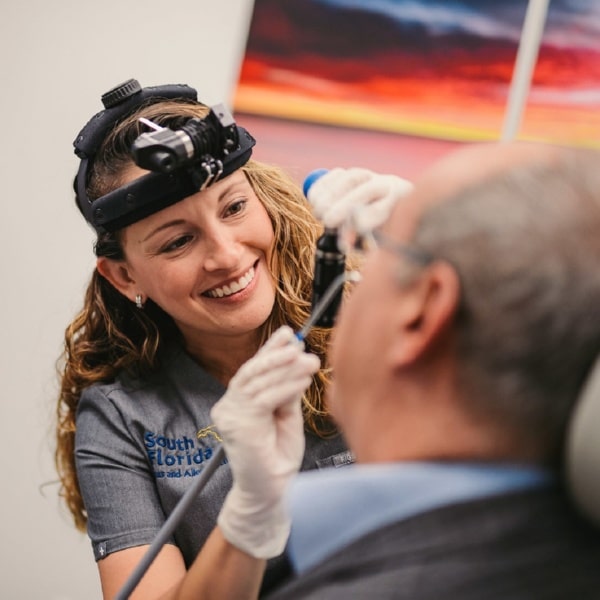
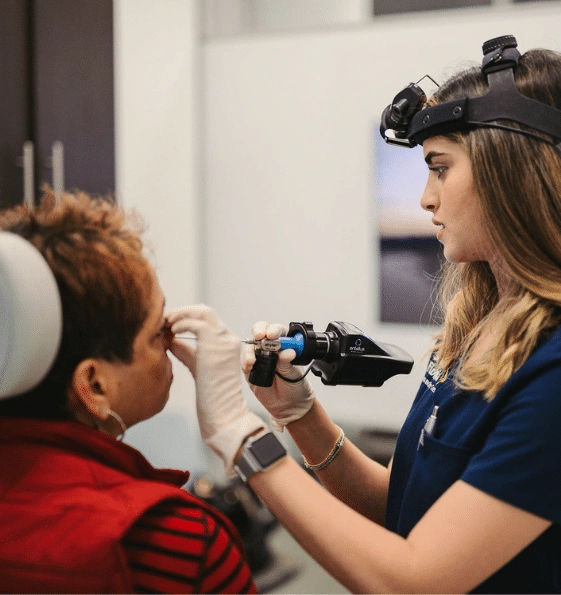
Dr. Mandel may use nasal endoscopy (a thin, flexible camera) or CT imaging of the sinuses to get a more detailed view of structural causes of obstruction. This thorough anatomical assessment is critical for identifying exactly where and why your airway is narrowing.
Home Sleep Testing
For patients where obstructive sleep apnea is suspected, Dr. Mandel offers convenient home sleep testing, avoiding the need for a laboratory stay.
What is recorded:
- Breathing patterns and respiratory events
- Blood oxygen saturation levels
- Heart rate and other physiological markers
Key measurement – The AHI: The AHI (Apnea-Hypopnea Index) measures the number of apnea and hypopnea events per hour of sleep. This helps determine whether you have obstructive sleep apnea and how severe it is.
Research shows that portable home sleep testing monitors have a strong correlation with laboratory studies, making them reliable for accurate diagnosis. The results help Dr. Mandel create your personalized treatment plan.
The Goal: Precise, Personalized Treatment
The entire evaluation process, from physical examination to home sleep testing, serves one purpose: to identify the exact anatomical sites of obstruction. This anatomically-focused approach allows Dr. Mandel to recommend precise, targeted treatments rather than one-size-fits-all solutions. Whether your snoring stems from nasal obstruction, a long soft palate, enlarged tonsils, or a combination of factors, your evaluation will pinpoint the specific problem so treatment can be effective and tailored to you.
Also Read: Unveiling the Truth: Can Anti-Snoring Nose Strips Alleviate Your Snoring Woes?
Treatment Options for Snoring and Obstructive Sleep Apnea
At Florida Sinus & Snoring Specialists, Dr. Lee Mandel and his team offer advanced, minimally invasive treatments to address snoring and obstructive sleep apnea (OSA) at its source. With over 30 years of experience and a double board certification in rhinology and otolaryngology, Dr. Mandel has developed innovative procedures that deliver effective results with minimal discomfort.
Minimally Invasive Palatal Stiffening (MIPS)
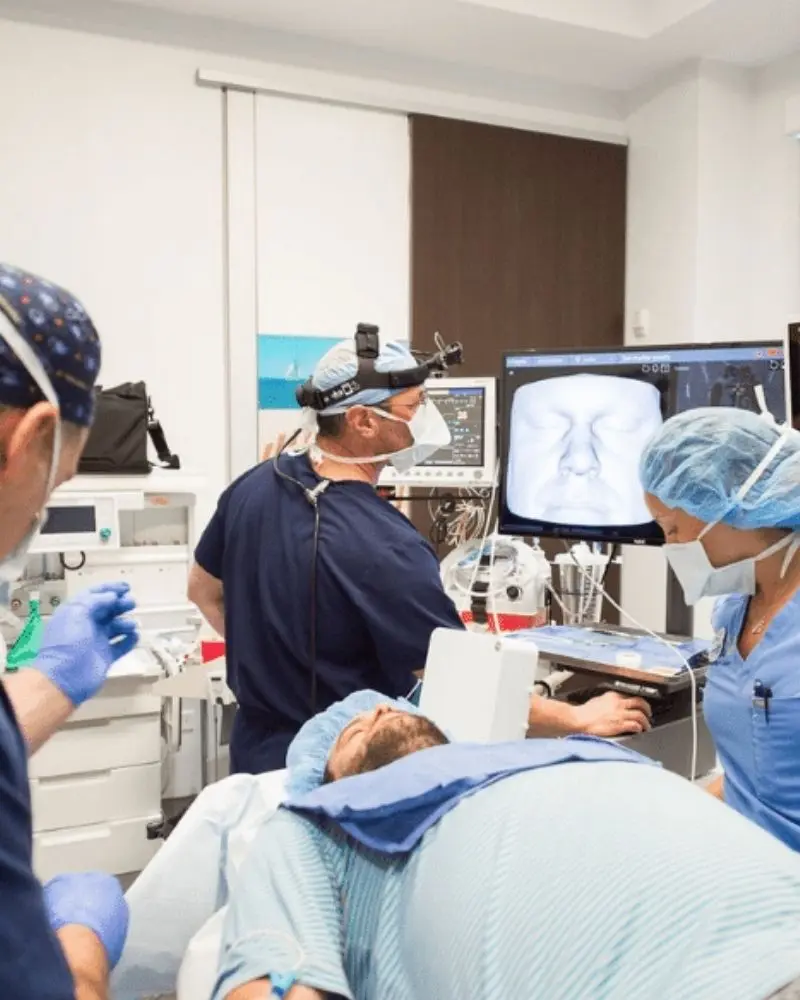
One of the most revolutionary treatments available is Minimally Invasive Palatal Stiffening (MIPS), a procedure pioneered by Dr. Mandel. Using diode laser technology, MIPS stiffens the soft palate and uvula to reduce airway vibrations that cause snoring and obstructive events. The procedure is performed under IV sedation, typically taking just 3–5 minutes as a stand-alone treatment or 15–20 minutes when combined with nasal procedures. Patients experience minimal post-operative discomfort and often notice significant improvement in sleep quality within one week.
Minimally Invasive Nasal Procedures
Many cases of snoring and OSA involve nasal obstructions such as a deviated septum, swollen turbinates, or narrow sinus passages. Florida Sinus & Snoring Specialists offer minimally invasive nasal procedures that can be performed alongside MIPS, addressing multiple airway issues in a single session. These treatments help maximize airflow and reduce nighttime disruptions without the need for extensive surgery.
Other Treatment Options
Depending on the severity of your symptoms and your individual anatomy, additional treatment options may include:
- Customized oral appliances to reposition the jaw and tongue for improved airflow.
- Lifestyle adjustments such as positional therapy, weight management, and sleep hygiene strategies.
Why Early Evaluation of Snoring and Possible Sleep Apnea Matters
Untreated obstructive sleep apnea (OSA) does more than cause daytime fatigue; it can have serious long-term effects on cardiovascular and metabolic health.
Key health risks of untreated OSA include:
- High blood pressure that may be difficult to manage with medications
- Increased risk of heart disease, heart attacks, and stroke
- Greater likelihood of developing or worsening type 2 diabetes
- Increased risk of accidents due to daytime drowsiness, including motor vehicle crashes
During OSA episodes, repeated drops in oxygen and stress responses strain the heart and blood vessels, even if you are unaware of nighttime awakenings.
Accurate, professional diagnosis is essential. Self-diagnosing based on snoring alone or relying solely on over-the-counter devices can result in missed diagnoses or unnecessary concern. A proper sleep study provides objective measurements that guide effective treatment.
Early evaluation and intervention typically lead to better symptom relief, reduced health risks, and may prevent the need for more aggressive therapies in the future.
Reclaim Restful Sleep. Schedule Your Sleep Evaluation Today
At Florida Sinus & Snoring Specialists, Dr. Lee Mandel and his team combine advanced diagnostic tools, including home sleep testing, with innovative minimally invasive treatments to address the root causes of snoring and OSA. From Minimally Invasive Palatal Stiffening (MIPS) to customized nasal procedures and oral appliances, each treatment is tailored to your anatomy and lifestyle, maximizing comfort and effectiveness.
Don’t wait for fatigue or health complications to disrupt your life. Early evaluation can improve sleep quality, reduce the risk of serious health issues, and help you wake up feeling refreshed and energized.
Take the first step today: schedule a consultation with Florida Sinus & Snoring Specialists. Our experienced team will assess your condition, explain your options, and guide you toward a solution that restores quiet, restorative sleep and supports your long-term health.
Call us or request an appointment online to start your journey to better sleep tonight.
Frequently Asked Questions
Does treating my nasal congestion really help with snoring and sleep apnea?
Nasal obstruction can increase mouth-breathing, which often worsens snoring and can make treatments like oral appliances more difficult to tolerate. Improving nasal airflow through medications, allergy therapy, or in-office procedures can reduce snoring for some patients and support other OSA treatments. While addressing nasal issues alone may not fully resolve moderate or severe obstructive sleep apnea, it is often a crucial part of a comprehensive treatment plan to keep the airway open during sleep.
Is weight loss enough to cure obstructive sleep apnea?
For some patients, especially those who are significantly overweight, weight loss can reduce the severity of sleep apnea and, in some cases, resolve it entirely. However, many individuals continue to experience OSA due to structural airway issues in the nose, soft palate, or throat. Lifestyle changes such as healthy weight management are important, but patients should also be evaluated for anatomical causes that may require targeted treatment to prevent complications.
How long does it take to notice improvement after starting treatment?
Many patients experience better sleep quality and reduced daytime sleepiness within days to weeks of starting effective treatment. Structural procedures, such as nasal or palatal interventions, may require a short healing period, after which snoring and breathing typically improve steadily. Follow-up appointments allow Dr. Mandel and his team to monitor progress and make any necessary adjustments for optimal results.