
Turbinate Reduction
Treatment for enlarged turbinates causing chronic nasal congestion and airflow restriction.
How Would You Like to Get Started?
Choose the option that works best for you.
Request an Appointment
Speak with our team about your symptoms, your insurance and next steps.
Self-Scheduling Appointment
Book your in-office appointment with our sinus and snoring specialists.
How Enlarged Turbinates Affect Nasal Breathing
Turbinates are normal structures inside the nose that help warm, filter, and humidify the air you breathe. However, when the inferior turbinates become enlarged — a condition known as turbinate hypertrophy — they can significantly narrow airflow.
Enlarged turbinates may contribute to persistent nasal congestion, difficulty breathing through the nose, mouth breathing, snoring, and disrupted sleep.
When medical therapy does not adequately reduce swelling, turbinate reduction may be considered.
How Would You Like to Get Started?
Choose the option that works best for you.
Request an Appointment
Speak with our team about your symptoms, your insurance and next steps.
Self-Scheduling Appointment
Book your in-office appointment with our sinus and snoring specialists.
What Is Turbinate Reduction & How It Works
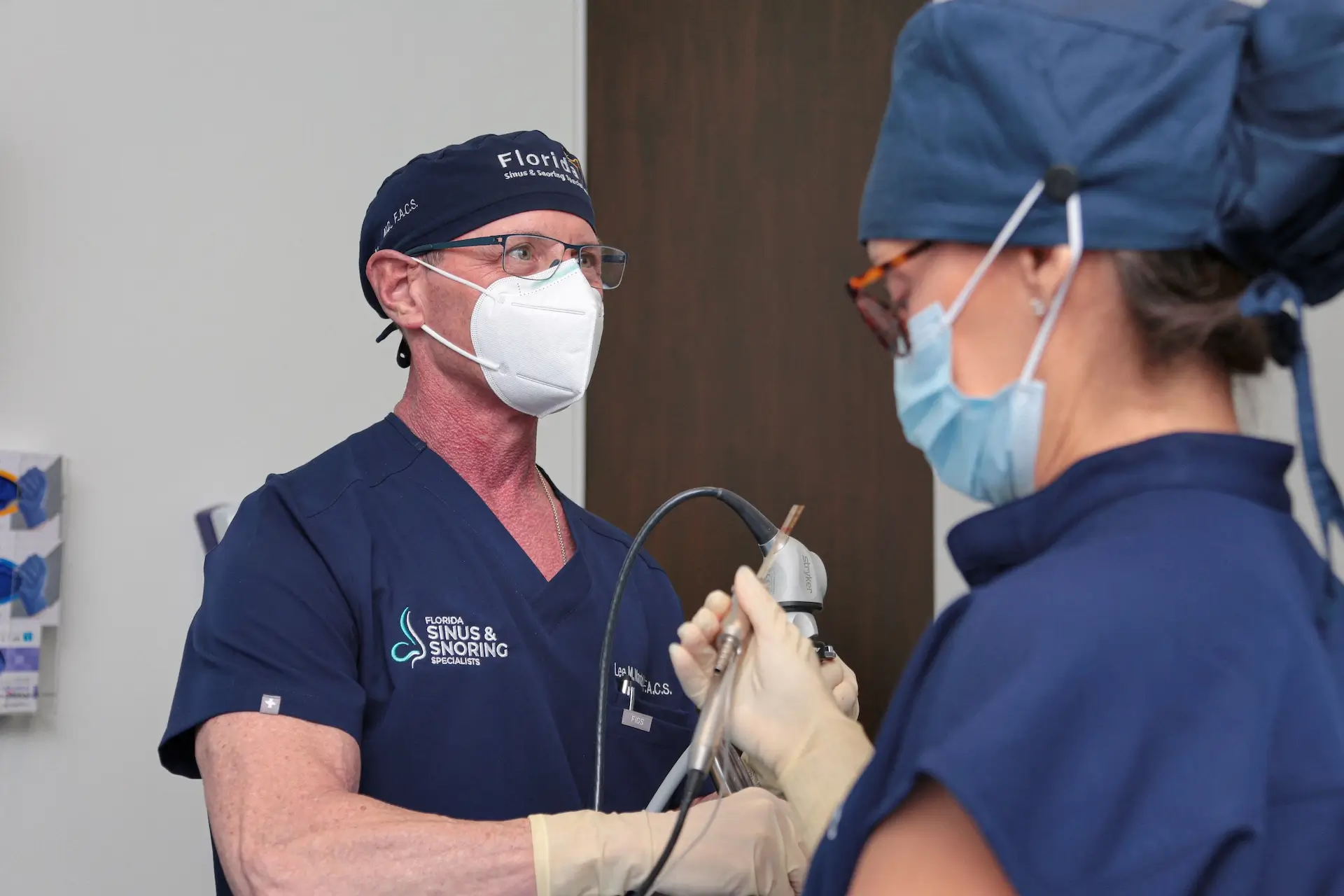
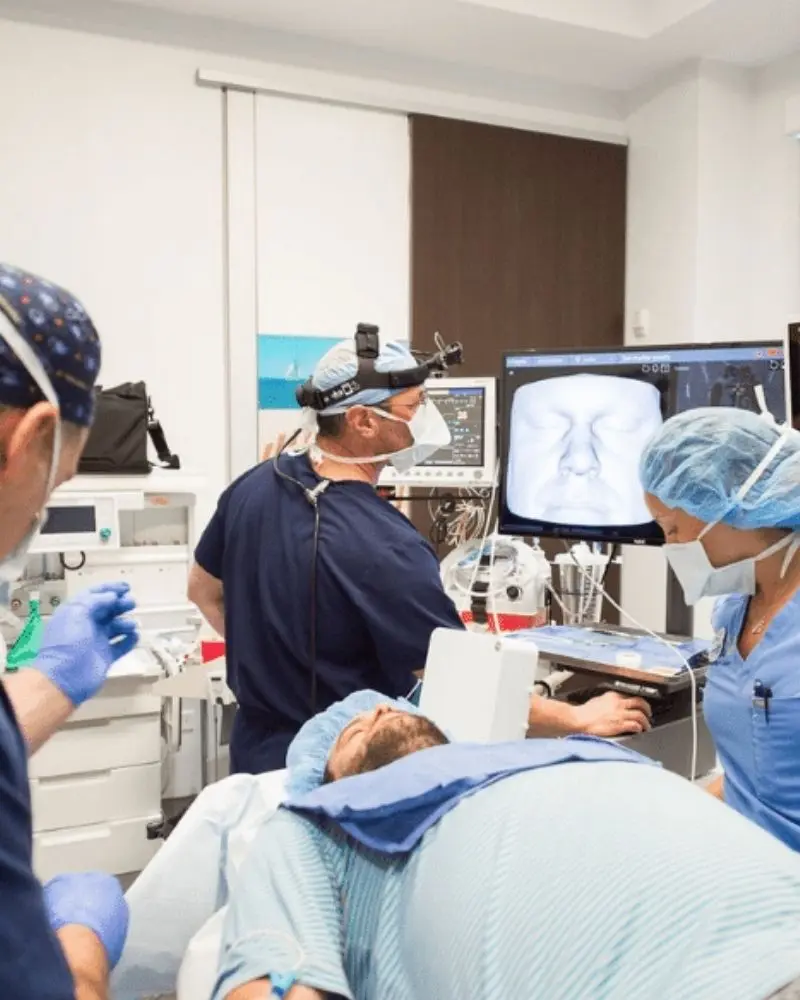
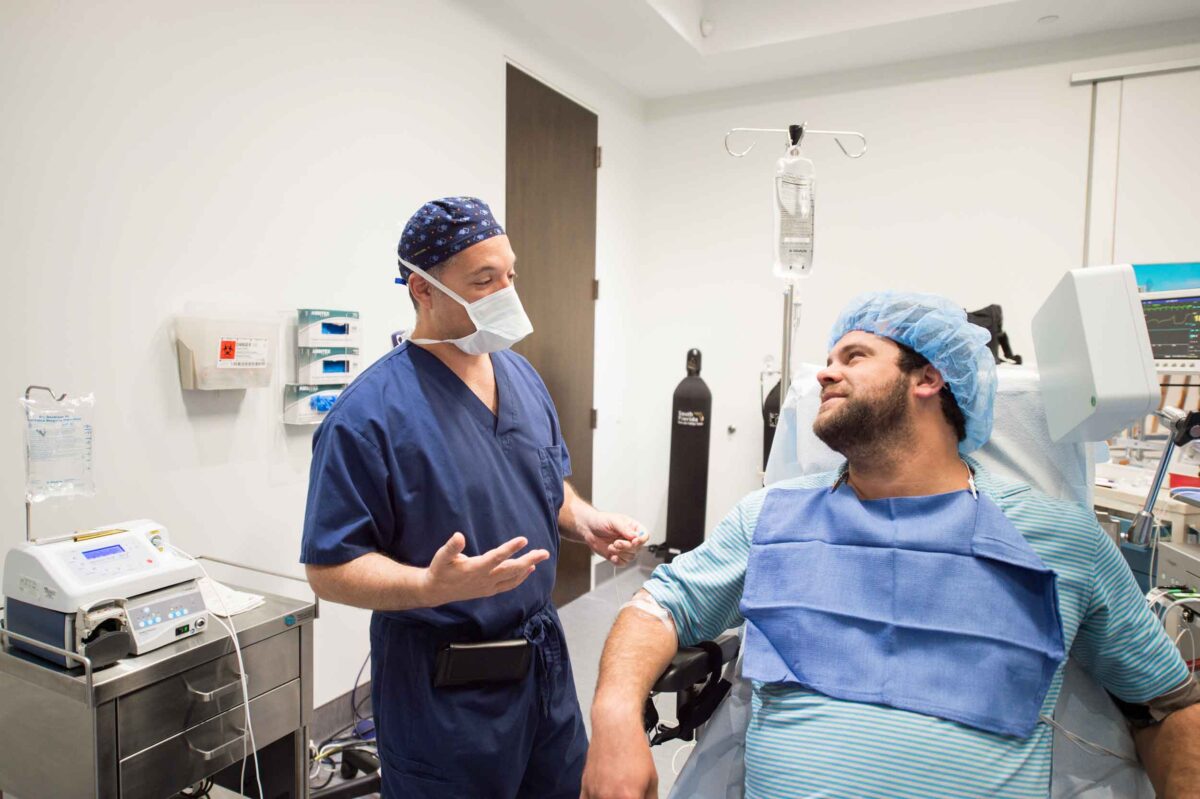
Turbinate reduction is a procedure designed to decrease the size of enlarged turbinates while preserving their normal function.
Depending on clinical findings, treatment may involve:
- Radiofrequency energy to reduce tissue volume
- Submucosal reduction techniques
- Minimally invasive reshaping of turbinate tissue
- Preservation of surrounding nasal structures
The goal is to improve airflow while maintaining the natural function of the nasal lining.
Turbinate reduction may be performed alone or in combination with other
procedures such as septoplasty.
How Would You Like to Get Started?
Choose the option that works best for you.
Request an Appointment
Speak with our team about your symptoms, your insurance and next steps.
Self-Scheduling Appointment
Book your in-office appointment with our sinus and snoring specialists.
Who May Be Considered & What to Expect
Turbinate reduction may be considered for individuals who experience:
- Chronic nasal congestion
- Difficulty breathing through the nose
- Enlarged turbinates identified during examination
- Limited relief from nasal steroid sprays
- Persistent mouth breathing
- Snoring related to nasal obstruction
What to expect:
- Often performed in-office when appropriate
- Local anesthesia may be used
- Typically shorter recovery compared to more extensive surgery
- Follow-up visits to monitor healing and airflow improvement
Treatment recommendations are individualized based on anatomy and symptom severity.
Comprehensive Evaluation Before Treatment
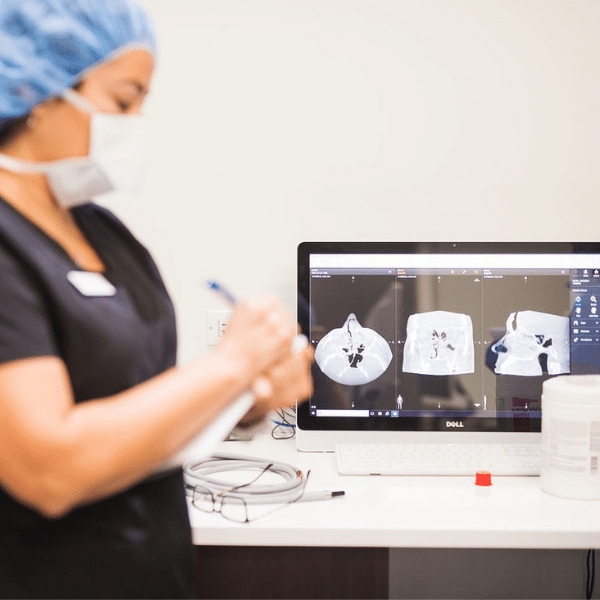
Successful turbinate reduction begins with careful airflow and tissue assessment.
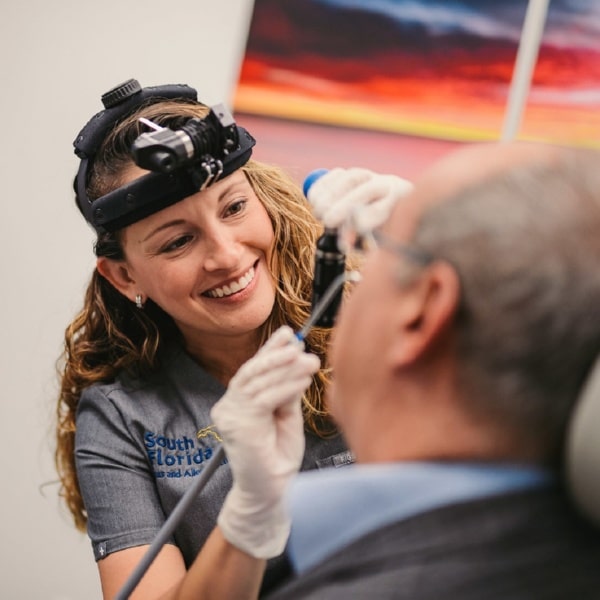
Nasal Examination
Endoscopic evaluation confirms turbinate enlargement and assesses overall nasal anatomy.
Medical Therapy Review
Prior use of nasal sprays and allergy management is evaluated to determine response.
Airflow Assessment
Breathing patterns are assessed to confirm that turbinate hypertrophy is a primary contributor to obstruction.
Individualized Treatment Planning
The degree of enlargement and symptom severity guide whether turbinate reduction alone or combined procedures may be appropriate.
A structured evaluation ensures treatment focuses on the primary source of airflow restriction.
Patient Stories
Real Results, Real Relief
Patients undergoing turbinate reduction for significant enlargement often report improved nasal breathing and reduced chronic congestion.
GOODTrustindex verifies that the original source of the review is Google. I had the sinus balloonoplasty surgery seven months ago. I have not had one sick day since I have not had a sniffle since. It was 25 minutes long . Recovery was a joke. It is the easiest surgery in the world. Dr. Mandel is amazing.And I'm extremely healthy now. I just sent a friend to Dr. Mandel to get the same surgery done. He might have saved my life. I was sick for over two years with sinus infection infections and bronchitis.Posted on GoogleTrustindex verifies that the original source of the review is Google. I got sinus surgery with Dr. Mandel a little under 2 years ago and it's been good so far. He definitely saved me. I had chronic sinusitis for 7 months with acute bouts before then for years. only when I would get sick, since I turned 20. Antibiotics and steroids were needed to get the snot out and stop producing more post-nasal drip. Finally medication stopped working in August 2023 when I got a flu, and several bouts of antibiotics and steroids didn't do anything. Beginning of March 2024 Dr. Mandel opened all 6 sinuses and did turbinate reduction. I like how this place did CT scans. Every other ENT is apparently just guessing, evidence by the fact 4 days before one of my appointments here another ENT in the area (2nd opinion) told me "he didn't see any sinusitis," then here they did a CT and saw it in 4 sinuses. Had surgery 4 weeks later here. The other ENT told me they are "aggressive" in this practice. He had a strong opinion of Mandel in fact. Yeah, in my view he actually wants to try and fix the problem and not have you come back. Haven't had a steroid/antibiotic pill since I had the surgery, every time I get sick now it feels different in there. Sometimes I still get sinusitis after a cold/flu but it just drains naturally within a day or two. I'd do it again if I had to. They sent me to a good allergist after too in order to monitor me. My default state is different with more mucus than before but according to him that's likely scarring from the multi-month episode I had.Posted on GoogleTrustindex verifies that the original source of the review is Google. Pleasant, knowledgeable, and professionally run. I recommend this medical clinic to everyone in need of an ENT service.Posted on GoogleTrustindex verifies that the original source of the review is Google. Great !!!!Posted on GoogleTrustindex verifies that the original source of the review is Google. The staff is so professional and helpful.Posted on GoogleTrustindex verifies that the original source of the review is Google. This practice is the best! They are all professional, pleasant, thorough and informative. Beverly Gomez has been my treatment provider and I can’t say enough good things about her.Posted on GoogleTrustindex verifies that the original source of the review is Google. The practice was extremely punctual and courteous. I saw the PA for my first visit who was extremely knowledgeable and a pleasure to talk to
Why Choose Florida Sinus & Snoring Specialists
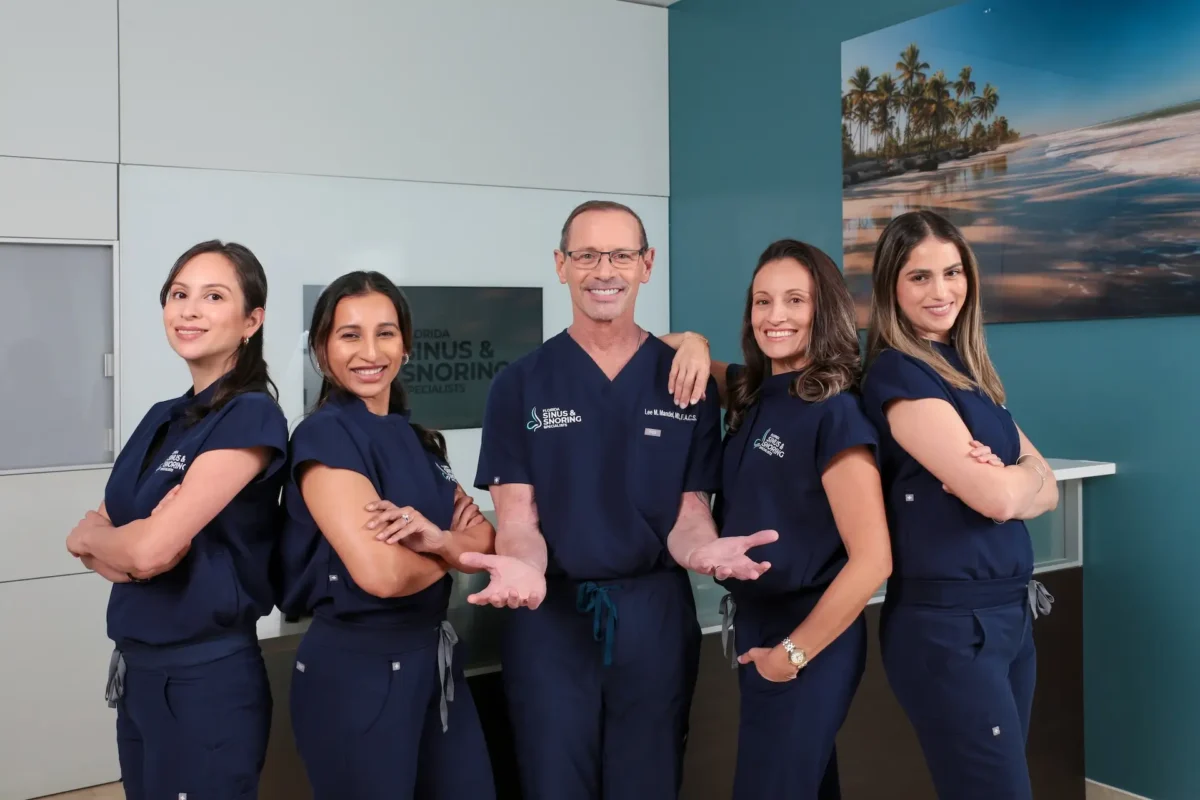
- Board-certified sinus and nasal specialists
- Experience treating turbinate hypertrophy
- In-office diagnostic capabilities
- Focus on minimally invasive treatment options
- Personalized, evaluation-first approach
Our goal is to improve airflow while preserving normal nasal function.
How Would You Like to Get Started?
Choose the option that works best for you.
Request an Appointment
Speak with our team about your symptoms, your insurance and next steps.
Self-Scheduling Appointment
Book your in-office appointment with our sinus and snoring specialists.
Frequently Asked Questions
What are turbinates?
Turbinates are structures inside the nose that help filter and humidify the air you breathe.
Why do turbinates become enlarged?
Allergies, chronic inflammation, and environmental irritants can cause turbinate hypertrophy.
Is turbinate reduction permanent?
Results depend on underlying inflammation. Allergy control and proper management help maintain long-term improvement.
Can turbinate reduction be done with septoplasty?
Yes. In some cases, both procedures are performed together to address structural obstruction.
How Would You Like to Get Started?
Choose the option that works best for you.
Request an Appointment
Speak with our team about your symptoms, your insurance and next steps.
Self-Scheduling Appointment
Book your in-office appointment with our sinus and snoring specialists.
Relief Starts With the Right Diagnosis
The first step to feeling better is understanding what’s causing your symptoms.
We use advanced in-office diagnostics to evaluate your condition with precision—so we can recommend the most effective, least invasive treatment options.
Call Us at
How Would You Like to Get Started?
Choose the option that works best for you.
Request an Appointment
Speak with our team about your symptoms, your insurance and next steps.
Self-Scheduling Appointment
Book your in-office appointment with our sinus and snoring specialists.